Understanding Pepper Spray and Its Effects
Pepper spray is a popular self-defense tool, known for its ability to incapacitate an attacker temporarily. However, while effective, it can also cause significant irritation and pain when it comes into contact with skin. Understanding how to stop pepper spray burn on skin is crucial for anyone who may inadvertently come into contact with it. The active ingredient in pepper spray, capsaicin, can lead to severe burning sensations, redness, and swelling. If you’re caught in a situation where pepper spray affects your skin, knowing the appropriate first aid steps can ease the discomfort and promote healing.
Immediate First Aid Steps
Step 1: Stay Calm and Assess the Situation
How to stop pepper spray burn on skin? The first step when dealing with pepper spray exposure is to remain as calm as possible. Panic can exacerbate the situation. Assess the level of irritation:
- Location of Contact: Determine where the spray has made contact with your skin.
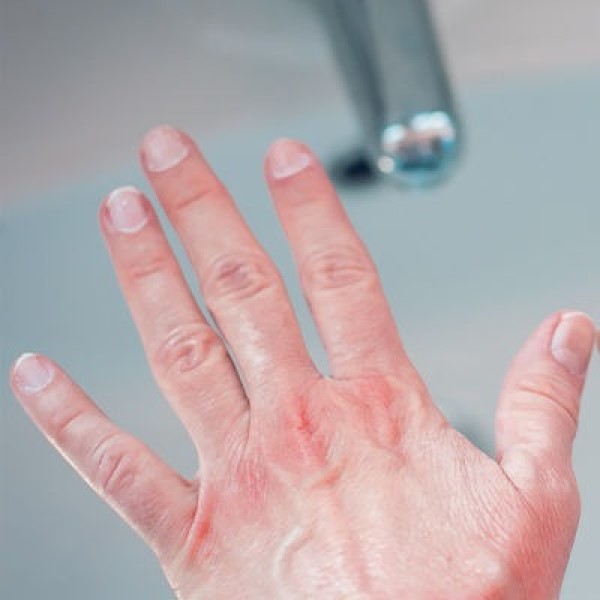
- Severity of Reaction: Note the symptoms, such as burning, redness, or swelling, and how widespread the irritation is.
Step 2: Move to Fresh Air
If you’re still around the area where the pepper spray was deployed, retreat to a well-ventilated place or outdoors if possible. Fresh air helps with respiratory irritation and reduces the intensity of the burning sensation on your skin. Avoid rubbing the affected area, as this can aggravate the burn.
Step 3: Rinse with Water
Rinse the affected skin immediately under cool or lukewarm running water for at least 15 to 20 minutes. This helps to wash away residual pepper spray and reduces irritation. Here’s how to effectively rinse:
- Use a Gentle Stream:
- When rinsing affected areas after exposure to irritants like pepper spray, opt for a gentle stream of water rather than high-pressure jets.
- High-pressure water can further aggravate the skin, potentially causing more pain or discomfort.
- A gentle stream allows for a more controlled and soothing wash, helping to minimize irritation while effectively removing the substance from the skin.
- Do Not Use Hot Water:
- Avoid using hot water during the rinsing process, as it can have the opposite effect of what is needed.
- Hot water tends to open up the pores in the skin, which can lead to a greater absorption of capsaicin, the active component in pepper spray that causes a burning sensation.
- This increased penetration can worsen the burn and prolong the discomfort, making it important to use cool or lukewarm water instead.
- Flush Eyes:
- If pepper spray accidentally gets into your eyes, it is crucial to rinse them immediately to reduce pain and irritation.
- Rinsing with clean water or a saline solution is recommended; the saline solution can be particularly effective as it matches the natural salt levels of body fluids, providing additional comfort.
- During the rinsing process, it is essential to keep your eyes open to allow the flushing agent to wash away contaminants effectively.
- This may be uncomfortable, but doing so ensures that the spray is fully removed and helps prevent further irritation to the eye area.
Additional Relief Methods
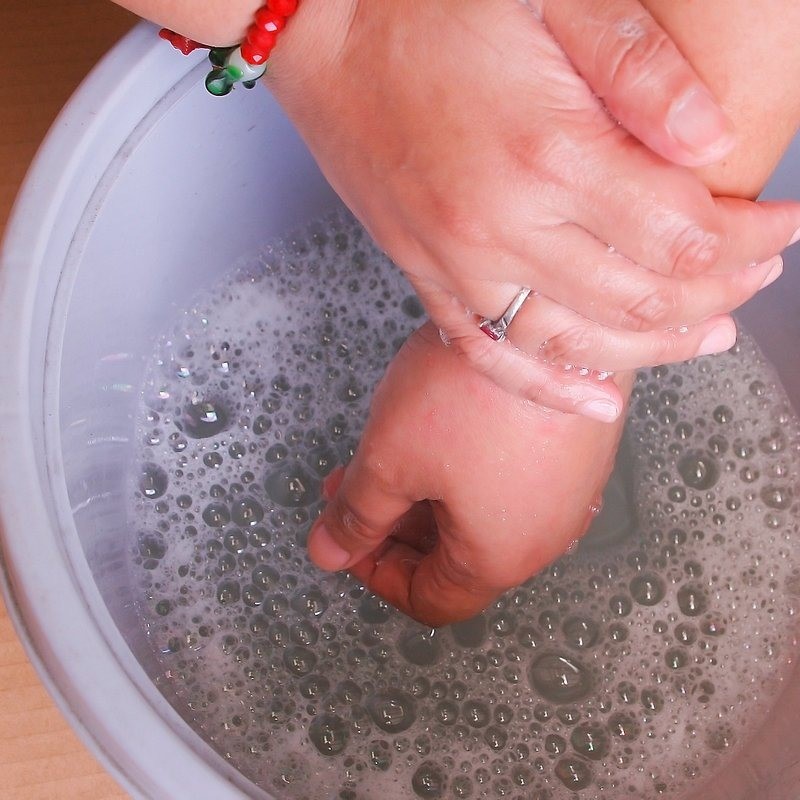
Step 4: Use Soap from Mild Detergent
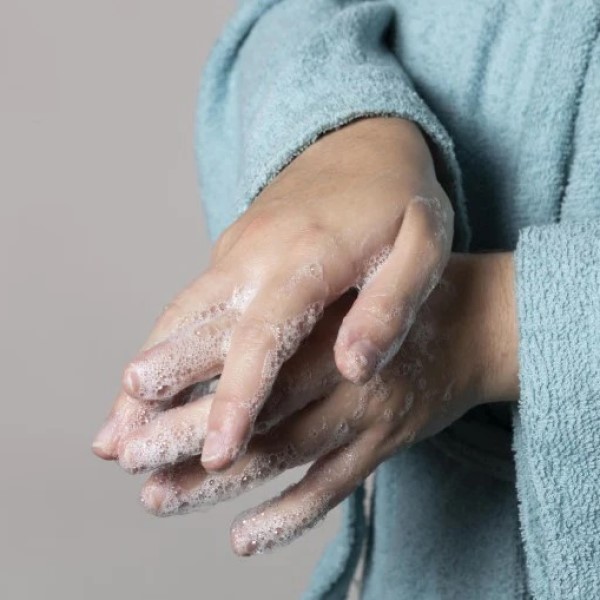
After rinsing, use mild soap or a detergent suitable for sensitive skin. Gently cleanse the area to remove remaining capsaicin particles. This step is essential as capsaicin absorbs into the skin and can continue to irritate it even after the initial rinse. Here’s what to do:
- Avoid Harsh Soaps: Choose gentle cleansers to avoid further irritation. Avoid scrubs or exfoliants.
- Rinse Thoroughly: Make sure to rinse all soap residue away to prevent additional irritation.
Step 5: Apply Cold Compresses
Once you have rinsed the area, using a cold compress can bring further relief from the burning sensation. Wrap ice or a cold gel pack in a cloth and apply it to the burned area for about 10-15 minutes. The coldness helps reduce inflammation and numbs the pain temporarily.
Home Remedies for Relief
Step 6: Use Dairy Products
One unexpected but effective remedy for pepper spray irritation is dairy. Dairy products, particularly milk and yogurt, contain casein, which binds with capsaicin and helps neutralize its effects. Here’s how to use it:
- Apply Yogurt or Milk: Spread plain yogurt or milk on the affected area for soothing relief. Leave it on for about 15-20 minutes before rinsing.
- Drink Milk: Consuming milk may also help relieve any internal discomfort from exposure.
Step 7: Aloe Vera Treatment
If you have access to aloe vera gel, apply it to the affected area. Aloe vera has natural soothing and cooling properties that can significantly ease the burn and promote skin healing. Here’s how to apply it:
- Use Fresh Aloe Vera: Cut open an aloe vera leaf and apply the fresh gel directly to your skin.
- Reapply as Needed: Consider reapplying the gel every few hours to maintain relief.
Step 8: Over-the-counter Medications
If the burning sensation persists, you might consider over-the-counter treatments. Here are common remedies:
- Antihistamines: Medications like Benadryl can help reduce allergic reactions and provide some relief.
- Hydrocortisone Cream: A topical corticosteroid can help reduce inflammation and soothe the skin. Be sure to follow package instructions for use.
Know When to Seek Medical Attention
While most cases of pepper spray burn can be treated with first aid and home remedies, there are situations where it’s best to seek professional medical help. If you experience:
Severe Pain
- Intensity of Pain:
- If the burn from pepper spray feels unbearably intense, this may indicate a more serious reaction.
- Severe pain can be a sign of deeper tissue damage that requires medical attention.
- Immediate Action Needed:
- In cases of severe pain, it is crucial to seek immediate help or advice from a medical professional.
- Timely intervention can prevent further complications and provide appropriate treatment.
Blistering or Skin Damage
- Formation of Blisters:
- The appearance of blisters is a concerning symptom that can occur after exposure to pepper spray.
- Blisters signify that the skin has been damaged and is attempting to protect itself through the development of protective bubbles.
- Risk of Infection:
- Blisters can easily become infected if they are not treated with care and kept clean.
- It is important to follow proper steps for cleaning and protecting blisters to minimize the risk of infection.
- Proper Treatment Required:
- Addressing blisters promptly with appropriate first-aid measures is essential.
- If blisters develop, it might be necessary to consult a healthcare provider to ensure proper wound management.
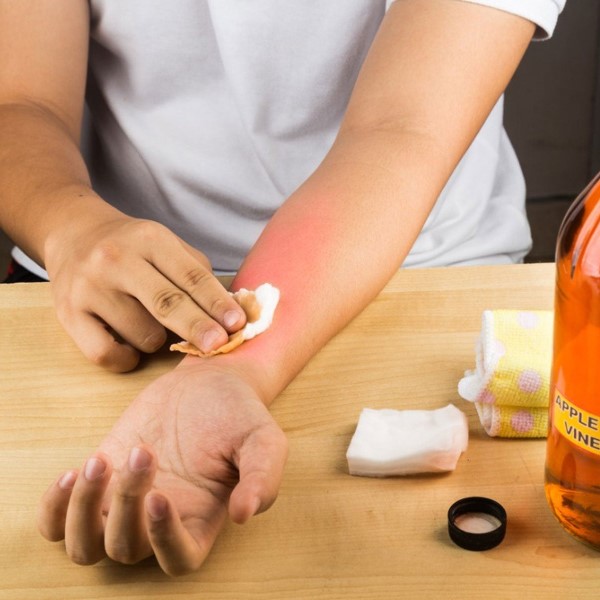
Persistent Symptoms
- Lack of Improvement:
- If symptoms do not show any signs of improvement after a few hours of at-home treatment, further evaluation may be necessary.
- Persistent symptoms may suggest that the irritation or injury is more significant than initially thought.
- Need for Medical Attention:
- Ongoing discomfort or reactions necessitate a visit to a healthcare professional for a comprehensive assessment.
- Understanding the severity of the symptoms can guide treatment options and prevent complications.
- Assessment of Condition:
- Medical professionals can provide insights on whether symptoms indicate an allergic reaction or another underlying issue requiring specialized care.
- Early intervention can lead to better outcomes in managing lingering symptoms.
Eye Exposure
- Immediate Effects:
- If pepper spray has come into contact with the eyes, the immediate effects can include intense burning, redness, and swelling.
- Discomfort from eye exposure can escalate quickly and demand swift action.
-
Rinsing Challenges:
- Rinsing the eyes with water or saline is a common first response, but if this does not alleviate discomfort, further steps should be taken.
- Persistent burning or irritation even after rinsing indicates that more serious care might be needed.
- Seeking Emergency Help:
- If discomfort continues and rinsing fails to provide relief, it is crucial to seek medical attention immediately.
- Eye exposure to irritants like pepper spray can lead to potential damage to the eyes, making prompt treatment essential.
Frequently Asked Questions (FAQ)
What Helps Pepper Spray Burns on Skin?
The most effective first aid for pepper spray burns includes rinsing the affected area with cool water, using soap for cleansing, applying cold compresses, and utilizing dairy products to neutralize the capsaicin.
How Long Does Pepper Spray Burn Last on Skin?
Typically, the burning sensation from pepper spray can last from 30 minutes to several hours, depending on the concentration of the spray and how quickly you manage the exposure. However, if symptoms persist, it’s best to consult a medical professional.
Does Vaseline Stop Pepper Spray?
While Vaseline may create a barrier on the skin, it is not recommended for treating pepper spray burns. Using Vaseline could seal in the irritant, worsening the burning sensation. Stick to rinsing and soothing treatments instead.
How Long Does Pepper Burn on Skin Last?
The duration of burn symptoms varies from person to person. In most cases, the burning and irritation usually subside within a few hours. However, if proper first aid is not applied, this duration could be extended.
Conclusion: Practical Steps to Alleviate Pepper Spray Burn
In conclusion, knowing how to stop pepper spray burn on skin is fundamental for anyone who might come into contact with it. The immediate first aid steps — rinsing the affected area, using mild soap, applying cold compresses, and utilizing home remedies — serve crucial roles in mitigating discomfort. By understanding the appropriate actions to take post-exposure, individuals can minimize the irritation caused by pepper spray and foster faster healing. Awareness and preparedness can significantly influence how you respond to this painful experience. Always listen to your body, and when in doubt, seek professional medical advice to ensure a safe recovery.